Kokotā ki runga, kōkota ki raro
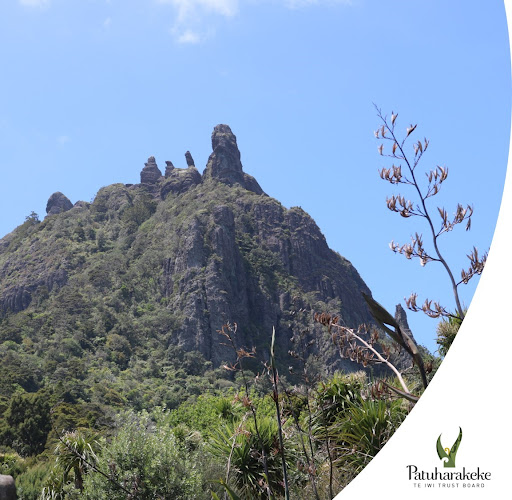
Nau mai haere mai ki te rauemi ipurangi o te rohe moana o Patuharakeke
Tēnā koe, welcome to this online platform for the rohe moana of Patuharakeke.
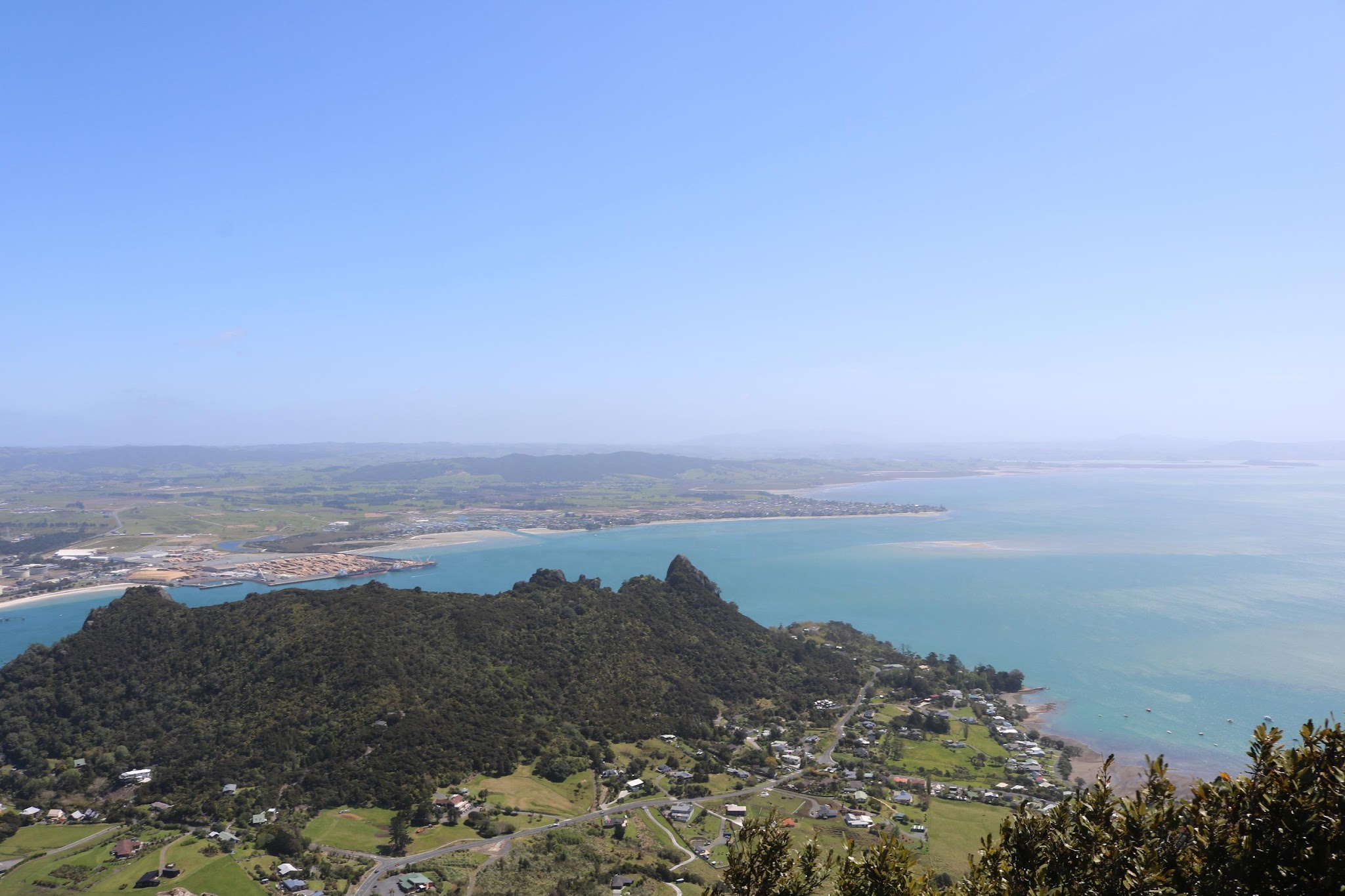
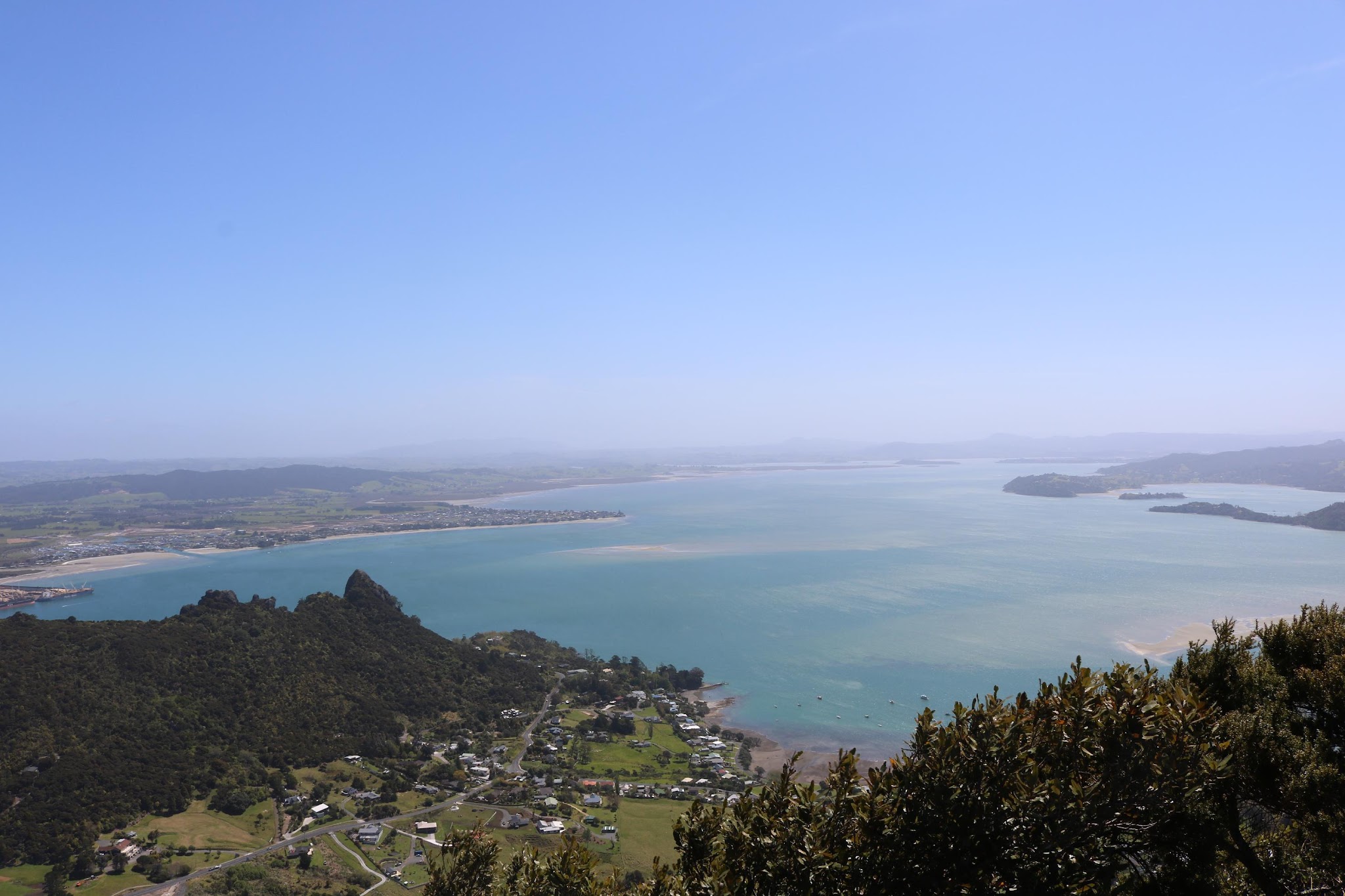
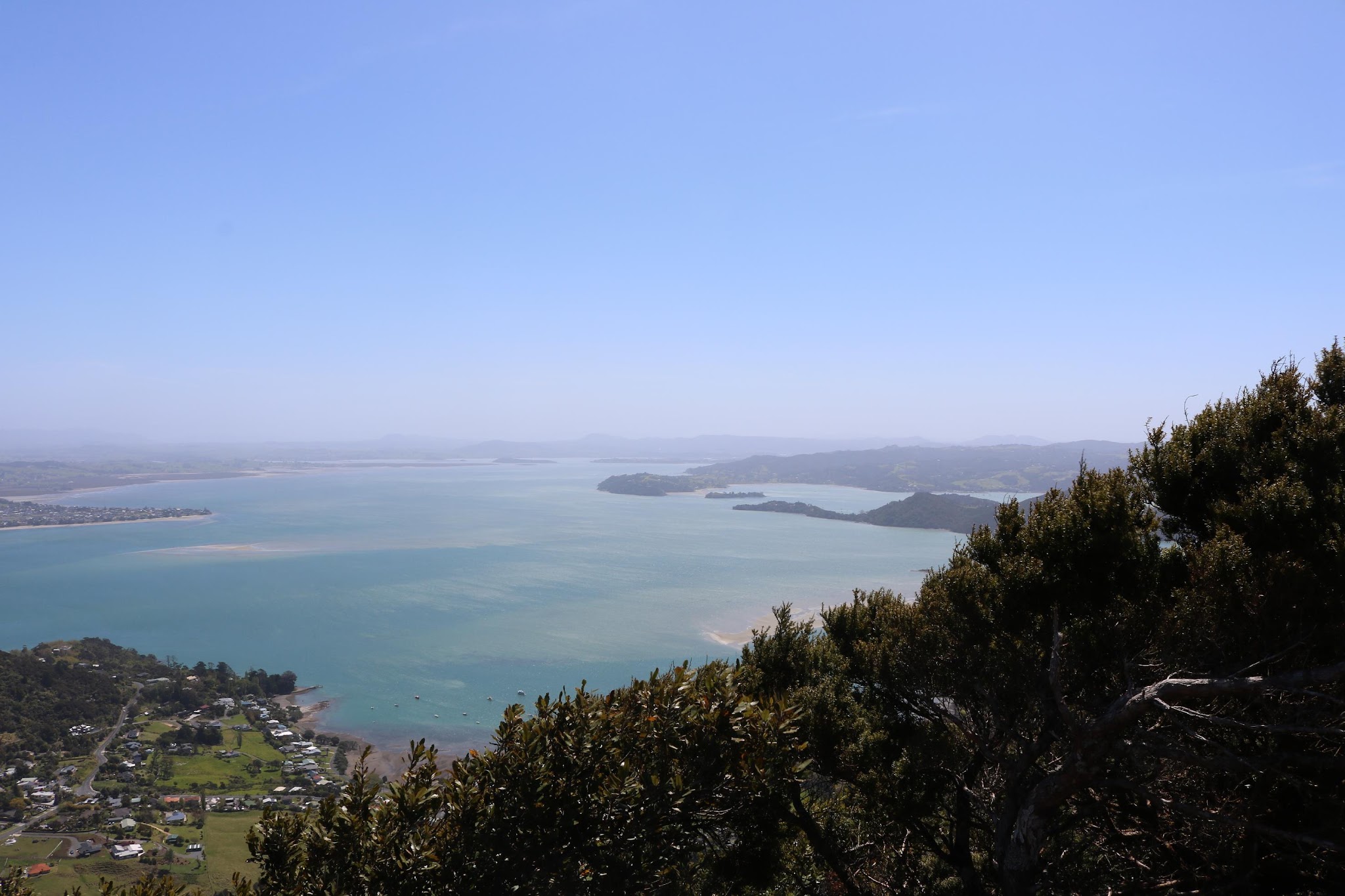
The goal of this website is to strengthen the understanding around the types of fishing and harvesting that occurs within the rohe moana of Patuharakeke (Figure 1 – could sit alongside).
Information collected via this website will pertain to different areas of the rohe which will build the collective knowledge base to ensure we are all able to manage our rohe moana in a strengthened way, for years to come.
This also provides an opportunity to share rauemi from within mahi taiao including the hapū environmental management plan (HEMP) and previous studies that sit behind decisions made regarding pipi/kōkota (link to kōkota kōrero on whakamōhio tab)
Please treat this forum with respect and feel welcome to provide feedback and solutions via our kōrero mai/contact us form.
Thank you for being here Ka nui te mihi
The rohe moana of Patuharakeke
The rohe moana of Patuharakeke was gazetted in May 2009 under the Kaimoana Fisheries Regulations 1998 when Patuharakeke Rohe Moana Committee, a subcommittee of the Patuharakeke Te Iwi Trust Board (PTITB) was formed.
Since then PTITB have been actively involved in fisheries management including monitoring kōkota (link to whakamōhio tab to explain all about kōkota) (pipi, Paphies australis) and initiating a wide range of taiao restoration projects, ki uta ki tai.
Details of other rohe moana can be accessed via NABIS link

Figure 1: Te Rohe Moana o Patuharakeke (as gazetted in 2009). Mapped for contemporary purposes.
About montioring framework
This monitoring platform includes four key areas:- Fish permiting online application process issuing process handled online. Cultural monitoring achieved through our takutai health analysis
- Recreational fishing online survey including species counts, measurements, locations, fishing method and CPUE
- Ecosystem model interactive infographic for users to visually understand potential effects to harbour health. Components 1-3 will be channelled into the BN model providing information on taonga species and local māhinga mātaitai health.
- Takutai health analysis
Whakamōhio / About