Kokotā ki runga, kōkota ki raro

Kokotā - is a star, also begins a phase, some literal translations include “a marking at a cross roads that signifies which direction has been chosen” Kōkota - taonga species for us, pipi, Paphies australis

“Kokotā ki runga, Kōkota ki raro”

This whakatauki expresses connection to everything. It is an awareness of the stars in the sky, the pipi in the sand, and everything in between. This whakaaro encapsulates the physical and spiritual realms above and below us at all times, overseeing and connecting life eternally.

...o shine with essential to continue...

You have the poupouwhenua but you need the pouwhenua, the spiritual and the physical, which allows you to align what is happening here with what is going on beyond here...
Whakamōhio / About

What is the purpose of this website?

The purpose of this website is to create a practical and user-friendly tool for PTITB, dedicated to Te Tira Taiao. Our aim is to promote greater environmental awareness whilst engaging the community through means of citizen science. This website represents the initial phase, and we are committed to regularly updating the information provided.

This project aims to create an innovative webpage to capture and translate customary fisheries information to enhance and add value to current fisheries management. Alongside cultural health assessments, this information will be channelled into a Bayesian Net (BN) ecosystem model and presented in an interactive way to provide tangata whenua, hapū technicians and environmental advisors with a strengthened understanding of taonga species and their associated habitats within te rohe moana o Patuharakeke. This webpage will benefit tangata whenua by providing a sustainable management framework, better enabling Patuharakeke to make well-informed decisions and drive the revitalisation of our taonga tuku iho.

Do we have to do the recreational fishing survey? Is it compulsory?

No, this is a completely optional recreational fishing survey.

Why should I participate in this survey?

Participating in citizen science surveys allows you to contribute valuable data to scientific research, empowering you to make a meaningful impact on understanding and addressing environmental challenges while fostering a sense of connection and engagement with the natural world.

The information that you provide in this survey will enhance our understanding of recreational fishing activity in Patuharakeke Rohe Moana / Te Rerenga Parāoa.

What do you do with my information / data?

Your information and data collected in the survey will not be shared with external sources and will be used exclusively by the Patuharakeke Te Iwi Trust Board for research purposes related to environmental issues and conservation within their organisation.

How can I get involved?

Ka pai! Getting involved is simple...
Consider volunteering...
Register your interest...
Stay informed about upcoming wānanga by following us on...
You can also participate in citizen science initiatives by joining local environmental organisations, attending community events, or exploring online platforms that offer citizen science projects. By actively contributing your time and observations, you can make a real difference in scientific research, expand your knowledge, and contribute to collective efforts in understanding and safeguarding the environment.

How can I get a Customary Fishing Permit?

Once you have applied for a Customary Fishing Permit, it will be reviewed by the Rohe Moana Committee. Please leave 5-10 business days for your permit review to be completed.

Team

Marino Duke (Ngāpuhi, Ngātiwai) is a multi-disciplinary artist. He is a graffiti artist, muralist, and kaiwhakairo and has taken part in various graffiti, mural, and whakairo projects. He has also been trained in tāmoko and bone carving.
More information about Marino

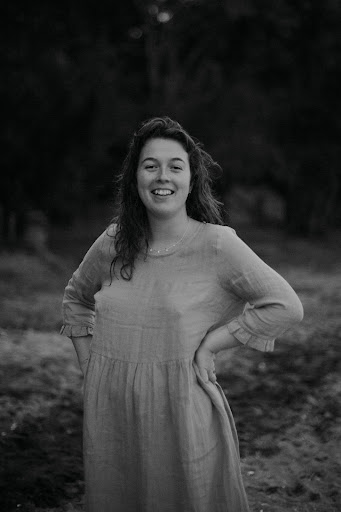
Taryn Shirkey (Patuharakeke, Ngāti Kahu o Torongare, Ngāpuhi, Ngātiwai) is an emerging Kaupapa Māori researcher with Patuharakeke Te Iwi Trust Board’s Taiao Unit. She has been developing expertise at the interface of mātauranga Māori and conventional science, including interviews with kaumātua and ecological field assessments.

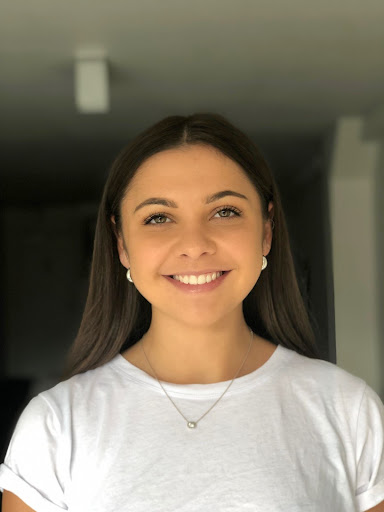
Hollie Kereopa (Ngāpuhi, Patuharakeke) has recently joined Patuharakeke Te Iwi Trust Board Taiao Unit as an emerging Marine researcher. Hollie has a marine biology and environmental science background, most recently employing her skills at Northland Aquaculture Centre (NAC) investigating the lifecycle of Asparagopsis armata, a New Zealand native red algae.

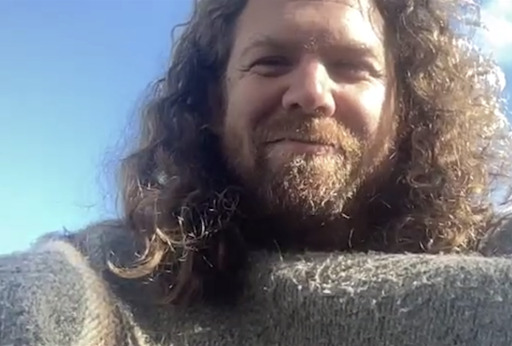
Nick Whiu (Ngāi Tāwake, Ngāpuhi, Bachelor of Computer and Mathematical Sciences with Honours from Waikato University) a senior web developer who has been crafting leading edge websites for 20 years covering the full stack of web skills; web development/programming, web design, form design, and server management. Nick also grew up in Whangārei, adoring the kaimoana and Northland’s environment.